


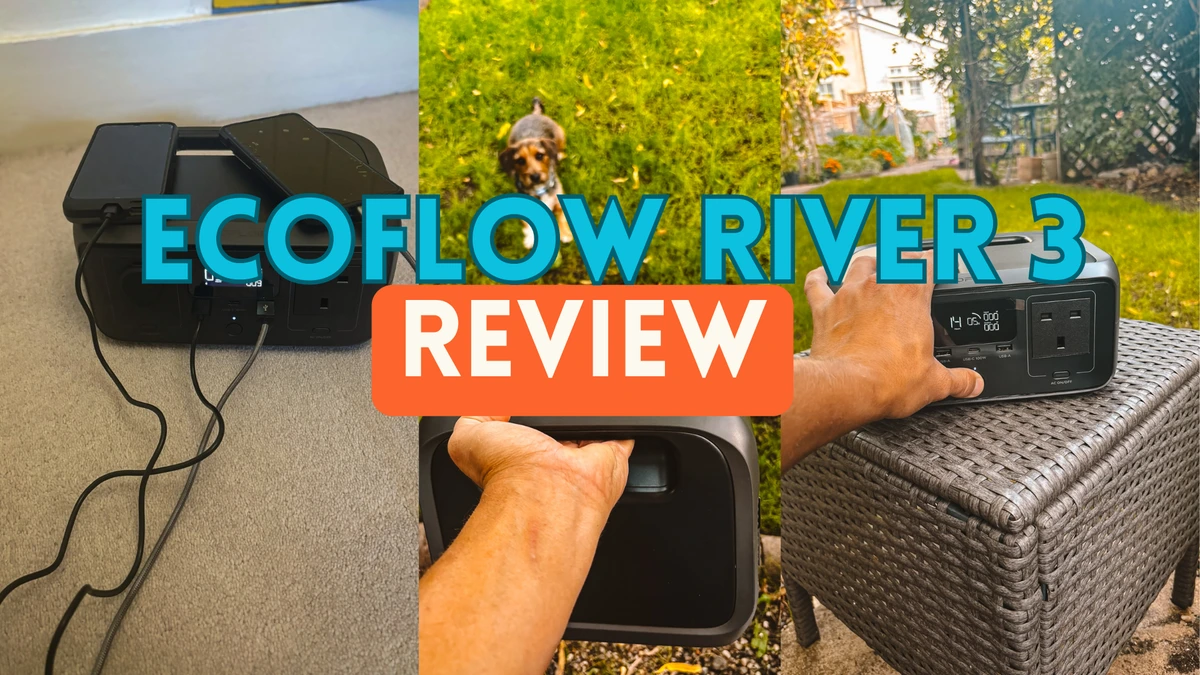
I've tested a lot of portable power stations over the last few years.
Everything from tiny units designed to keep a few phones alive through to 2,000Wh+ monsters we've used while renovating our boat.
And the more of these things I test, the more I realise that bigger definitely doesn't mean better.
Which brings me to the EcoFlow RIVER 3.
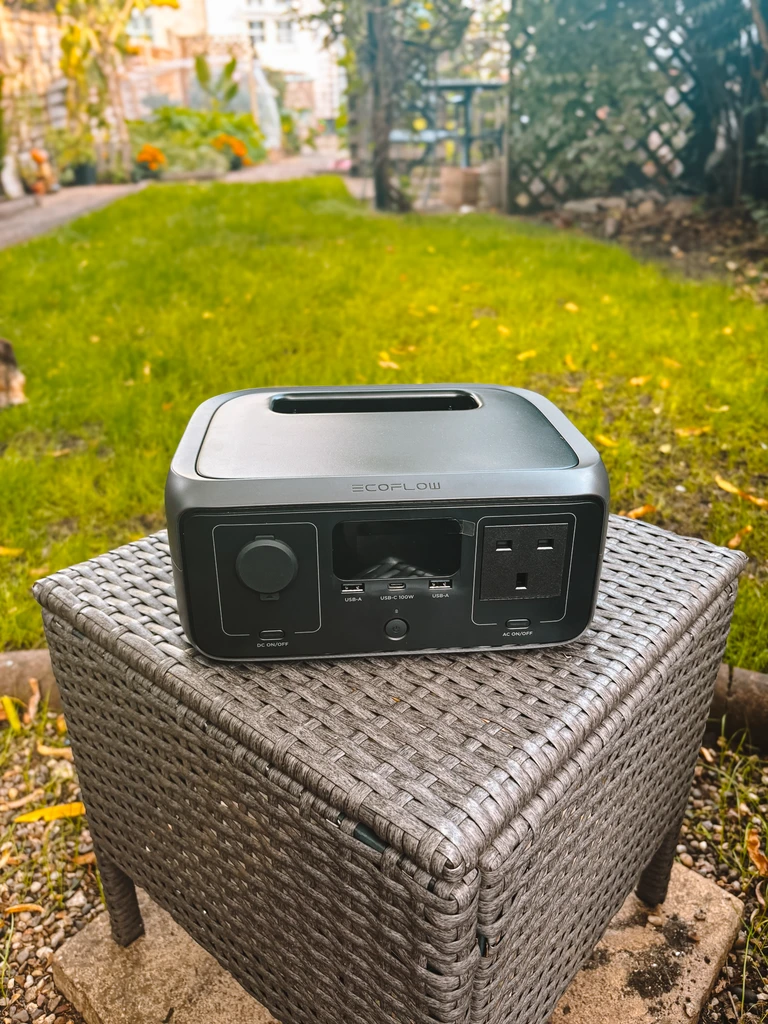
With just 245Wh of battery capacity and a 300W AC output, this is one of the smallest stations I've tested.
And honestly?
I absolutely love it.
Not because it can power everything.
It can't.
I like it because it's small, incredibly easy to use, feels fantastic in the hand and has more than enough power for the sort of person who just wants to go camping for a few nights and keep their phone, laptop, camera and other electronics topped up.
I've been testing the RIVER 3 for the last few weeks, including charging multiple phones at once, pushing it past its 300W inverter limit, testing mains and solar charging, and digging around inside the EcoFlow app.
Below I'll take you through everything I found.
Let's get straight into it ...
Disclosure: EcoFlow paid us to test the RIVER 3 and produce this review. They had no control over the editorial angle, testing or conclusions below. As always, the opinions are entirely our own.
If you're comparing more than just EcoFlow, I've also recently updated my guide to the best portable power stations for camping and campervans, based on the many different brands we've personally tested.
My rating: 9/10.
For the right person, I think the EcoFlow RIVER 3 is brilliant.
Its biggest limitation is also the entire reason I'd buy one:
It's small.
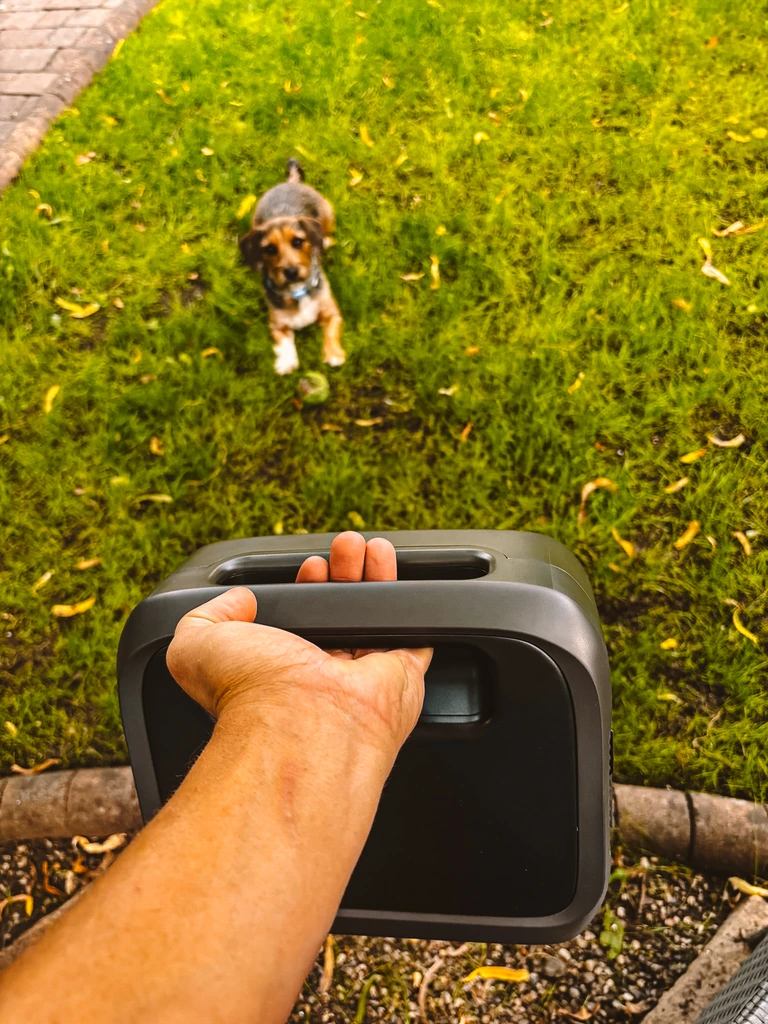
You only get 245Wh of battery capacity and a 300W AC inverter, so this isn't the station for somebody trying to live off-grid for two weeks while running a fridge, toaster, kettle, drone batteries and endless electronics.
But that's not who I think it's for.
My sister is actually the perfect example.
She likes going camping for a few nights at a time, doesn't use much electricity and might otherwise pay another £10 or so per night for an electric hookup purely to keep phones charged.
For that sort of person?
This is spot on.
It's compact, weighs just 3.55kg, charges incredibly quickly, has enough ports for normal electronics and requires basically zero technical knowledge.
At the time I was testing it, the UK RRP was £239 and I'd seen it discounted to around £159.
If you're regularly paying an extra £10 a night for campsite electricity just to charge phones and small electronics, you can see how quickly something like this starts to make financial sense.
EcoFlow also rates the LiFePO4 battery for around 3,000 cycles before dropping to 80% of its original capacity. Which is pretty good!
If you're completely new to power stations, the important thing to understand is that Wh and W are not the same thing.
Watts tell you how much power an appliance is demanding at that moment, while watt-hours tell you how much energy you have stored. The US Energy Information Administration explains the difference here.
So a station having a 300W inverter doesn't mean it stores 300Wh of energy.
They're two completely separate things.
This is probably my favourite thing about it.
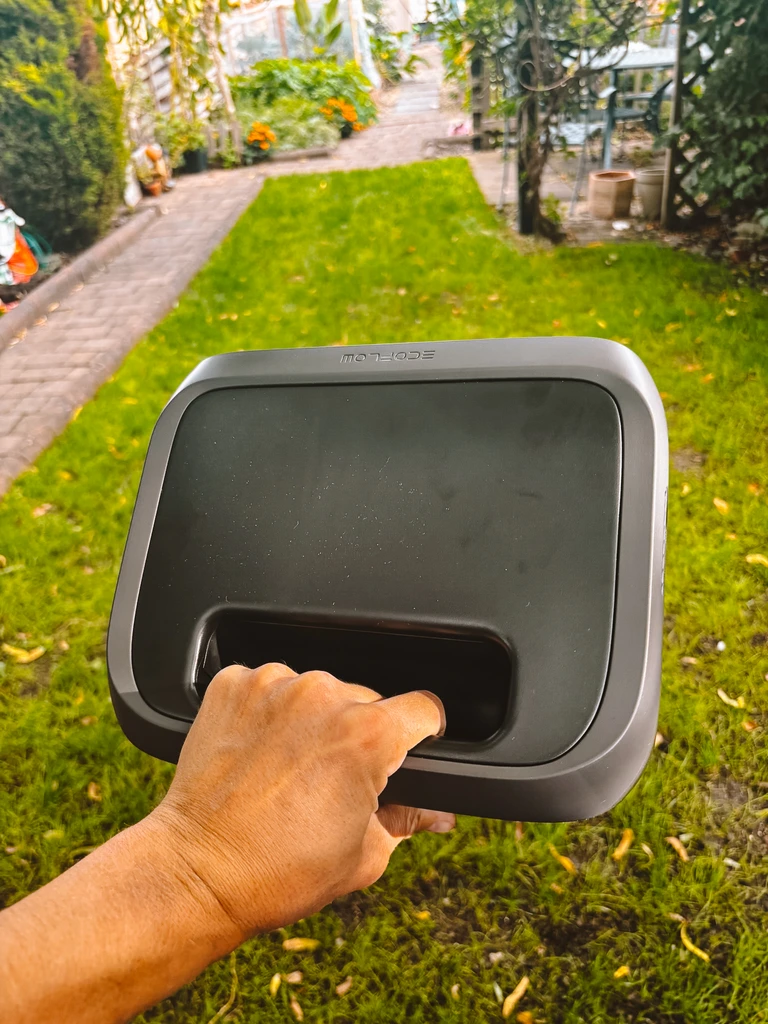
The RIVER 3 just feels good to hold.
And I know that sounds like a slightly ridiculous thing to say about a battery.
But having reviewed so many power stations now, I've realised how much the physical design matters.
Some (technically) portable power stations feel like you're carrying a suitcase full of bricks.
Others have badly positioned handles that make the weight feel uneven.
The RIVER 3 feels really nicely balanced.
It's only 3.55kg anyway, but the shape and handle make it feel even easier to move around.
I also genuinely love how it looks.
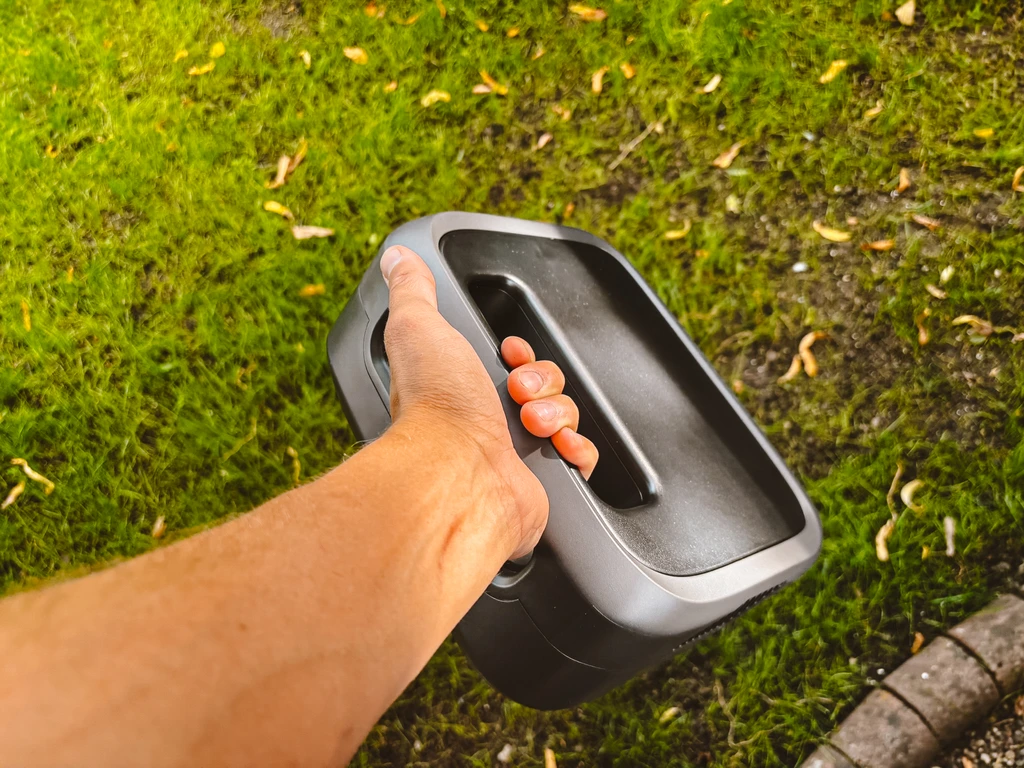
The design is clean and modern without being overly flashy. It has a relatively low profile, plenty of flat space across the top and ventilation neatly worked around the sides.
That flat top is surprisingly useful too.
If you've got three phones plugged in, you can literally just sit them on top of the station while they charge.
It's a small detail, but it makes sense.
The unit itself also feels solid and sturdy, rather than lightweight in a cheap way.
For context, this is dramatically smaller than stations such as the AFERIY P180 Pro I recently reviewed, and worlds apart from large units like the BLUETTI AC200L.
That's exactly the point.
If your actual power requirements fit inside what the RIVER 3 can do, why carry all that extra battery around?
There's one tiny design decision on the UK model that most people probably won't ever mention.
The 240V plug socket is upside down.
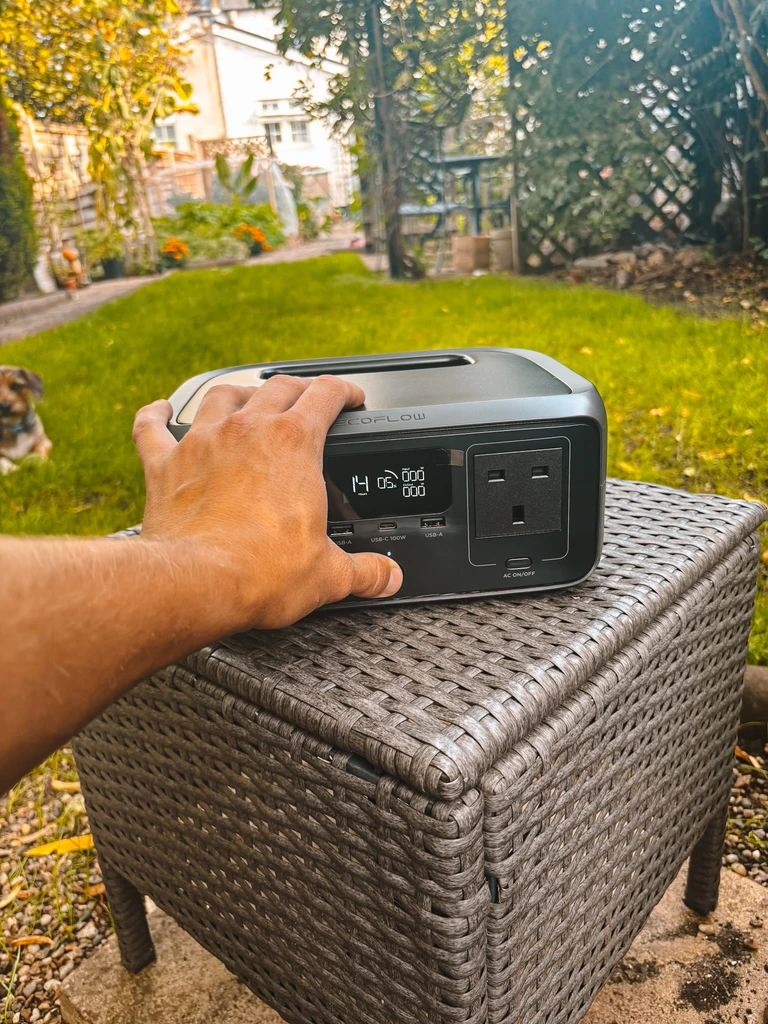
That sounds like a mistake.
It's actually very clever.
I've tested other power stations where the UK socket sits very close to the bottom edge of the unit.
Because a UK plug normally has its cable coming downwards, you plug it in and suddenly realise the cable physically can't bend underneath the station.
I've literally had situations where I've had to perch a power station slightly over the edge of something just so the appliance plug can fit properly.
Someone at EcoFlow has clearly thought about this.
Flip the socket around and the cable naturally comes upwards instead.
Simple.
But genuinely useful.
You notice things like this once you've tested enough badly thought-out units!
There are also small rubberised pads underneath which lift the unit slightly off the floor and help stop it sliding around.
For a station this size, I think the port selection is sensible.
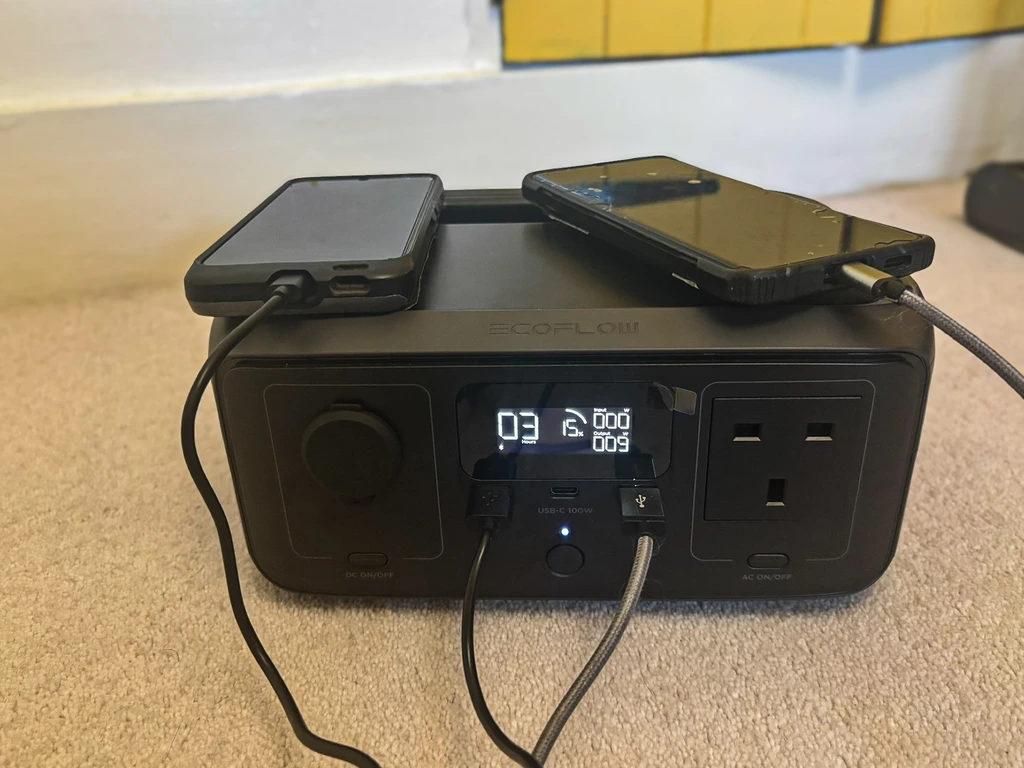
You get:
That 100W USB-C port is particularly useful because many modern laptops can charge directly from it.
That means you don't necessarily need to run the AC inverter simply to charge a laptop.
I plugged three phones into the RIVER 3 at once and it handled them without issue.
What I did notice is that, unlike on a giant 2kWh station where charging a few phones barely registers, the display's remaining-runtime estimate does noticeably react when you're using multiple USB ports.
Again, that isn't a flaw.
It's just the reality of having a 245Wh battery.
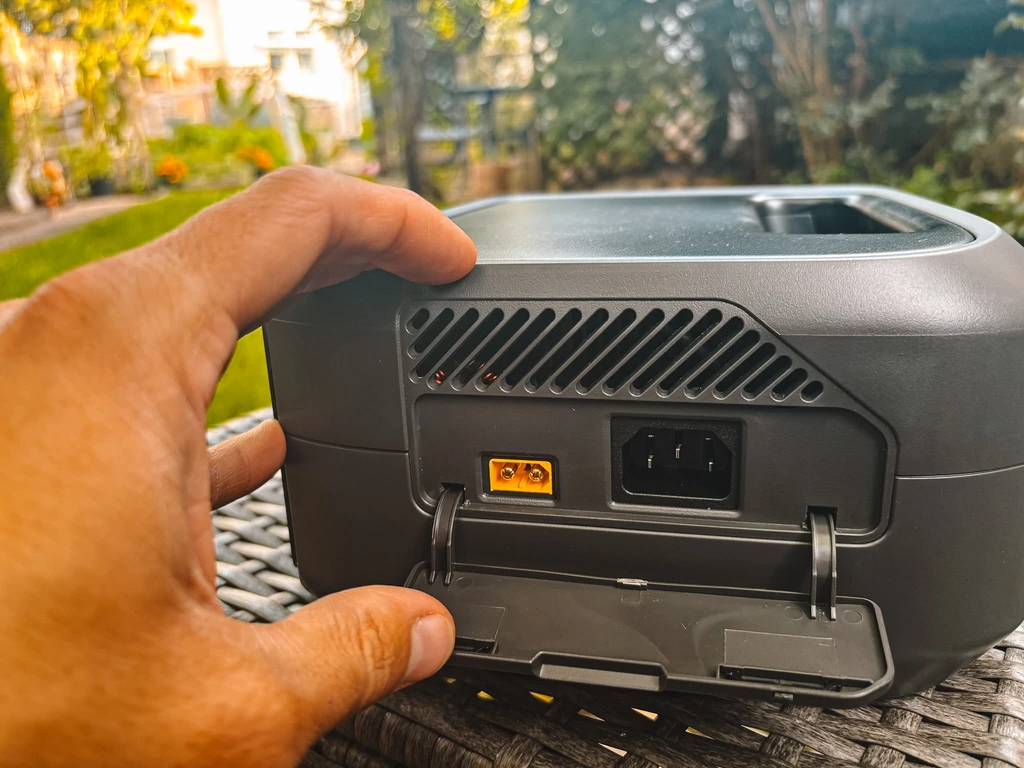
This is where I think EcoFlow has nailed the basics.
There's a straightforward power button, then separate controls for the AC and DC outputs.
That's basically all most people need.
It's actually quite funny when you think about how much technology is hidden inside one little box like this.
You've got:
And all sorts of other gubbins I'm too technologically illiterate to pretend I fully understand.
But that's exactly the point.
The average person shouldn't need to understand any of that.
They want to know:
How do I charge it?
Plug the mains cable in.
Or plug a compatible solar panel into the solar input.
Done.
Want to charge a phone?
Plug it into USB.
Want to use the AC socket?
Press the AC button.
Done.
It really is that simple.
The display is clean and easy to understand.
You can quickly see:
And those time estimates react in real time as your usage changes.
EcoFlow advertises IP54 protection for the internal battery pack, which is useful additional protection.
But I would not interpret that as meaning you should happily leave the complete RIVER 3 sitting outside in the rain.
If weather resistance is a major priority, I've tested genuinely rugged units such as the BLUETTI AC60, which was designed far more specifically around harsh outdoor environments.
For normal RIVER 3 use?
Keep it somewhere dry, don't block the vents and treat it like the expensive electrical product it is.
The UK Government also has useful general guidance around lithium battery safety and protection systems.
This is the most important section.
Because 245Wh is hard to understand if you're not used to buying power stations.
What does it actually mean?
During my testing I used it with:
And everything behaved pretty much exactly how I'd want it to.
The RIVER 3 has a 300W normal AC output, with EcoFlow's X-Boost feature designed to support some suitable resistive appliances rated higher than this.
But when deciding whether this station is big enough for you, I'd work around that 300W normal output figure.
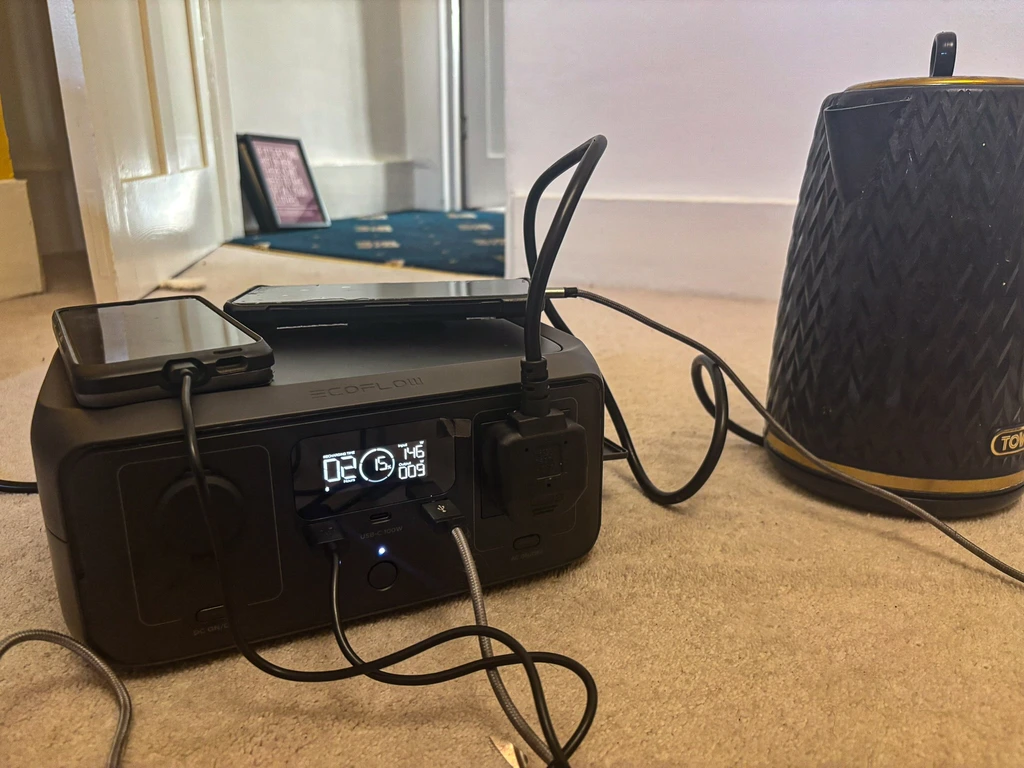
I deliberately plugged our household kettle into it (which is closer to 3000W).
The result was wonderfully uneventful.
Ping.
Off.
The overload protection immediately tripped.
I reset the AC output and tried again.
Exactly the same thing.
It didn't spend 20 seconds desperately trying to power a 2,500W+ appliance.
It didn't start screaming fans.
It didn't get hot.
It simply recognised that the load was massively beyond what it could supply and shut the AC output down.
Perfect.
This isn't a kettle power station.
And it doesn't pretend to be.
Compare that with the 1,800W AFERIY P180 Pro, which I deliberately pushed far harder with the same sort of appliances.
They're fundamentally different products.
Likewise, if you're looking for something between those two extremes, I've previously tested smaller units like the BLUETTI EB3A and both the 600W and 1800W models in my Acer power station review.
This is the stuff that makes sense:
That's where this station shines.
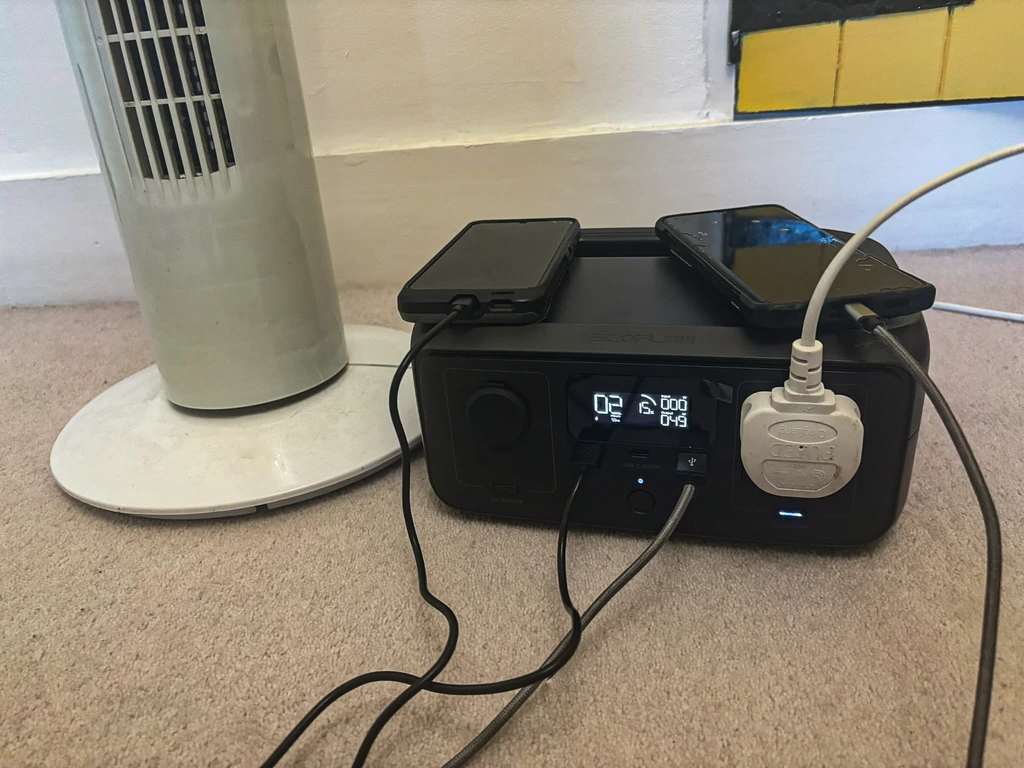
If you're going camping for two or three nights and you're basically looking at your kit thinking:
“I just want all of this to stay charged.”
Then yes.
This makes a huge amount of sense.
If you're looking at a toaster, kettle, induction hob, air fryer and a fridge?
Keep shopping.
Our main portable power station guide goes into the different capacities I'd look at depending on your actual setup.
This is one of the RIVER 3's standout features.
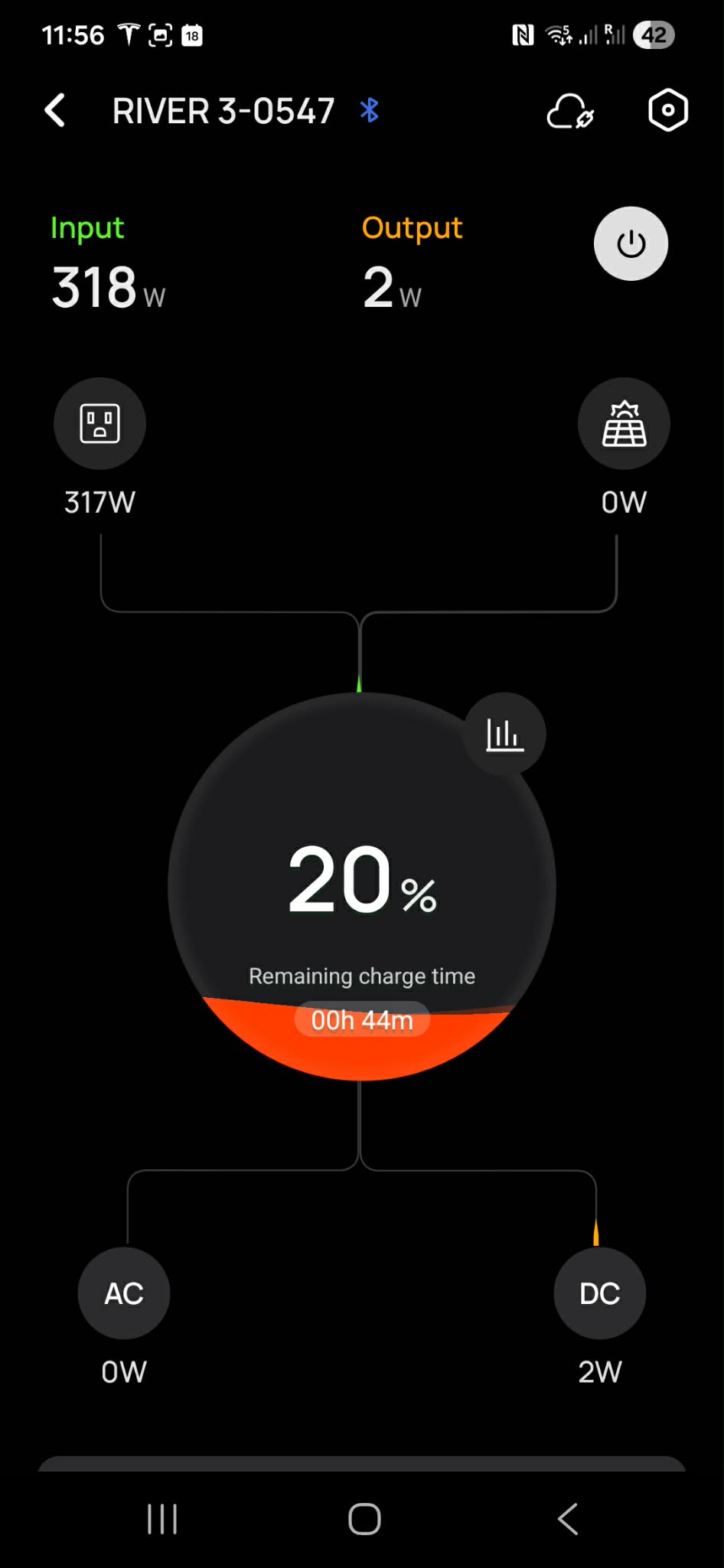
EcoFlow advertises a maximum AC input of 305W and a 0–100% charge time of around an hour.
My testing backed up the fact that this thing charges quickly.
I plugged it into the mains at 16%.
It ramped up to around 313–315W according to the display.
Ten minutes later it was already at 25%, with the screen estimating another 41 minutes until full.
What I particularly liked is how seamlessly the charging speed responds to the app (more on the app below).
I dropped the charging rate down to around 171W.
The station immediately followed.
No delay.
No messing around.
It just worked.
This matters because sometimes you want the battery full as fast as physically possible.
Other times you're at home overnight and don't need it hammering away at maximum charge speed.
The app also offers a silent charging option.
Again, that's a relatively advanced feature for such a small station.
If you're sleeping in a tent, campervan or hotel room next to it, being able to sacrifice some charging speed for less fan noise is genuinely useful.
I also plugged in a third-party 200W solar panel I already had lying around.
And it worked.
I didn't do a detailed performance test or take photographs because, frankly, it didn't prove much beyond compatibility.
But that's useful in itself.
You don't have to buy an EcoFlow-branded panel as long as the third-party panel falls within the station's supported electrical limits and you have the correct connector.
The RIVER 3 uses the familiar yellow XT60/XT60i-style solar connection used across a lot of EcoFlow equipment.
Depending on the panel you already own, you may therefore need an adaptor.
EcoFlow rates solar input at a maximum of 110W, with an ideal 0–100% solar charge possible in around 2.6 hours.
As always, don't assume a 110W panel means you'll receive 110W every hour it's outside.
Cloud, shading, panel angle and time of day all affect solar production. Energy Saving Trust has a good explanation of how orientation and shading impact solar generation.
For a 245Wh station, though, I think 110W solar input is perfectly sensible.
You're not trying to refill a 2kWh battery.
You can also charge the RIVER 3 through a vehicle's 12V supply.
And this is where I can see another excellent use case.
Imagine you're travelling long distance and use very little electricity beyond phones, cameras and maybe a laptop.
Charge the RIVER 3 while you're driving.
Then when the engine is off overnight, run your electronics from the station.
Long-distance drivers, road trippers and basic campervan users could get loads of use from it.
We've lived with far more complicated electrical setups both in our off-grid campervan electrical system, and our much more substantial off-grid boat electrical system.
The RIVER 3 isn't replacing those.
But for somebody whose electricity requirements are tiny?
It could remove the need to build something complicated in the first place.
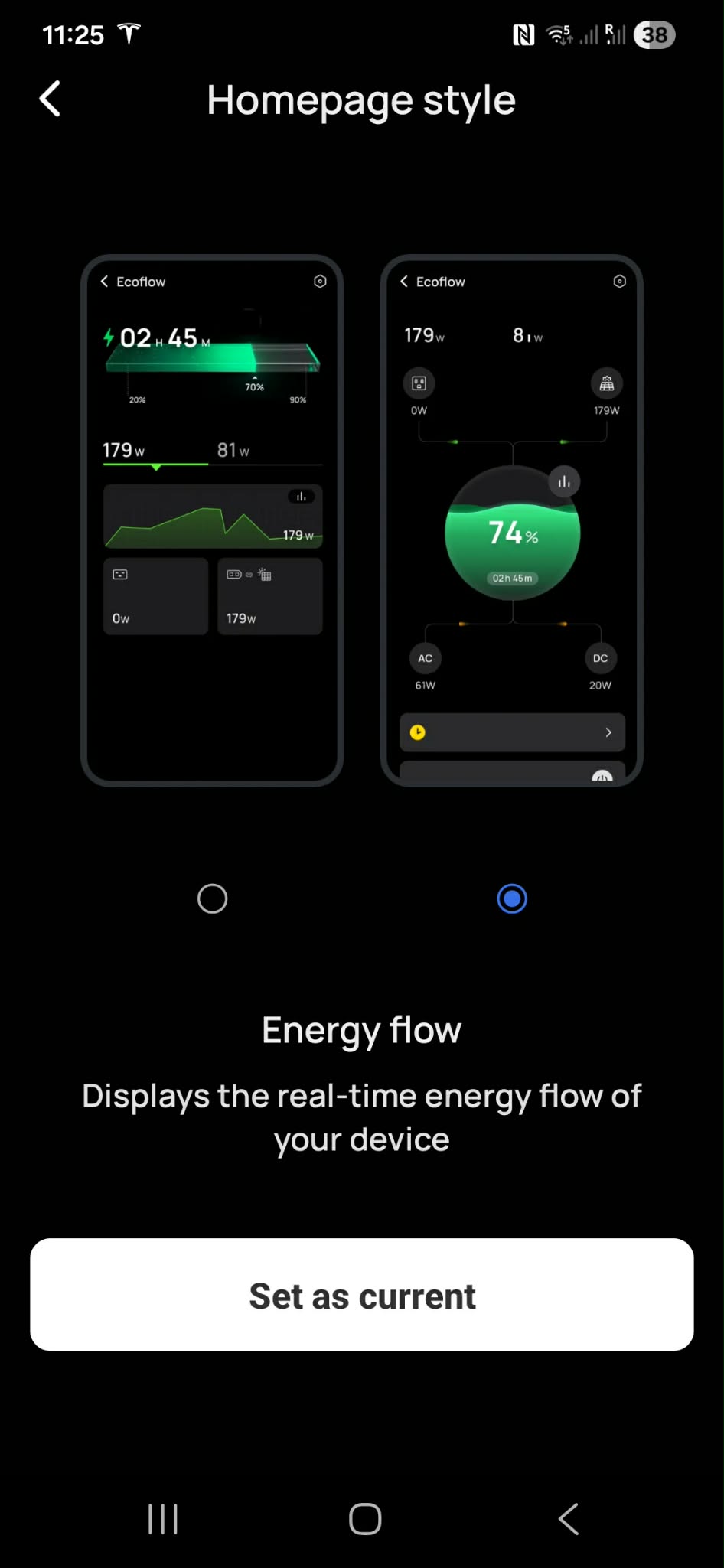
I normally find that power station apps become more useful as the stations get bigger.
With giant systems, you start dealing with:
So I was interested to see whether downloading an app for this tiny little 245Wh station would actually be worthwhile.
Honestly?
The initial setup feels like a lot of effort.
You need an account.
Password.
Bluetooth permissions.
Various other permissions.
And while none of that is particularly difficult, there was part of me thinking:
“I literally just want to charge my phone.”
Once the setup is done, though, connecting to the actual RIVER 3 is incredibly easy.
The app detected the station.
I tapped it ... Connected ... Done.
Quite a lot.
You can:
I particularly liked the charging slider.
You can adjust AC charging from roughly 50W all the way up to 305W.
That's a serious level of control.
EcoFlow officially supports both Bluetooth local control and Wi-Fi remote access on the RIVER 3, while X-Boost can also be switched through the app.
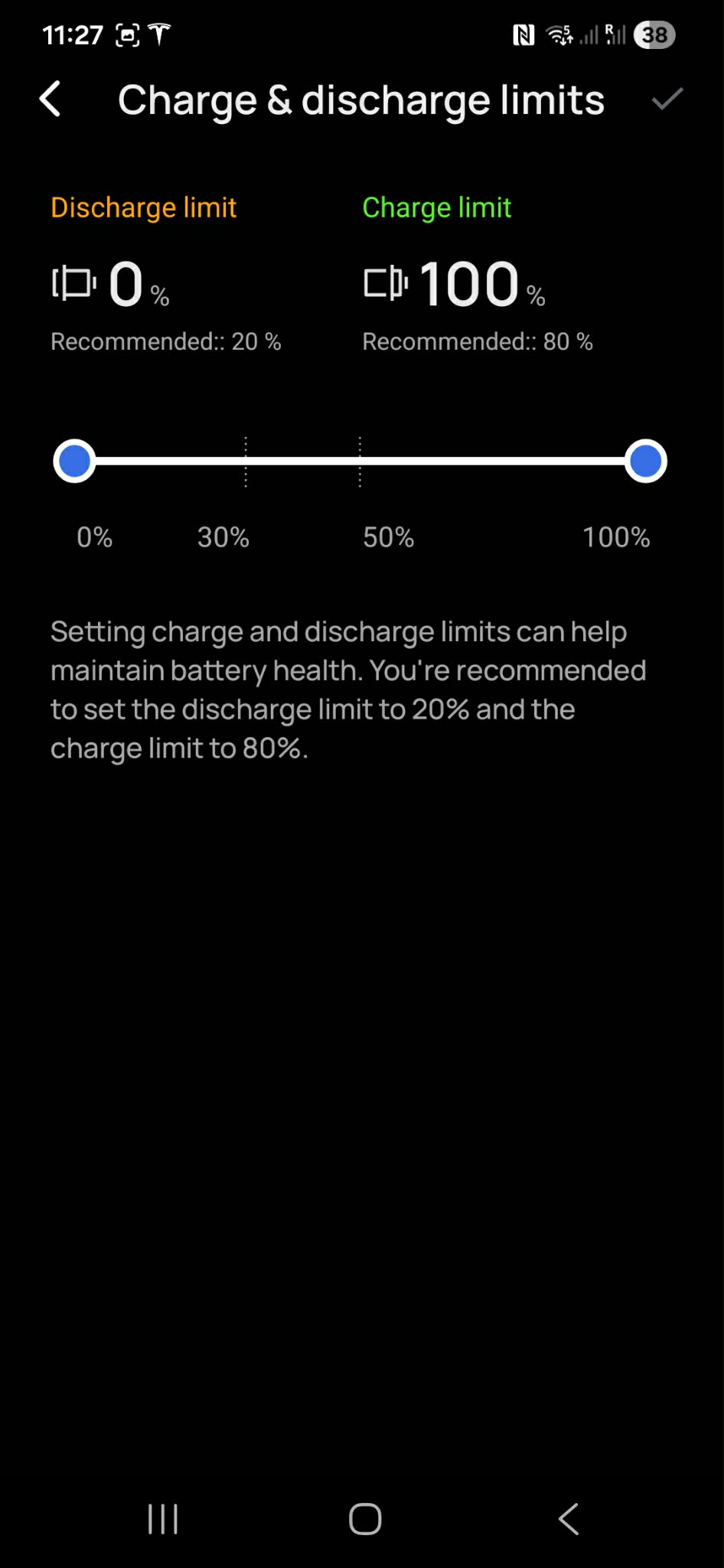
I also like being able to set battery charge limits.
If you only ever need 80% capacity for your normal camping use, you can choose to avoid constantly taking the battery from empty to completely full.
Ignoring the RIVER 3 for a moment, my overall impression of the EcoFlow app is:
This is a serious piece of software.
It doesn't feel like a gimmicky companion app created because someone in marketing decided every modern product needs Bluetooth.
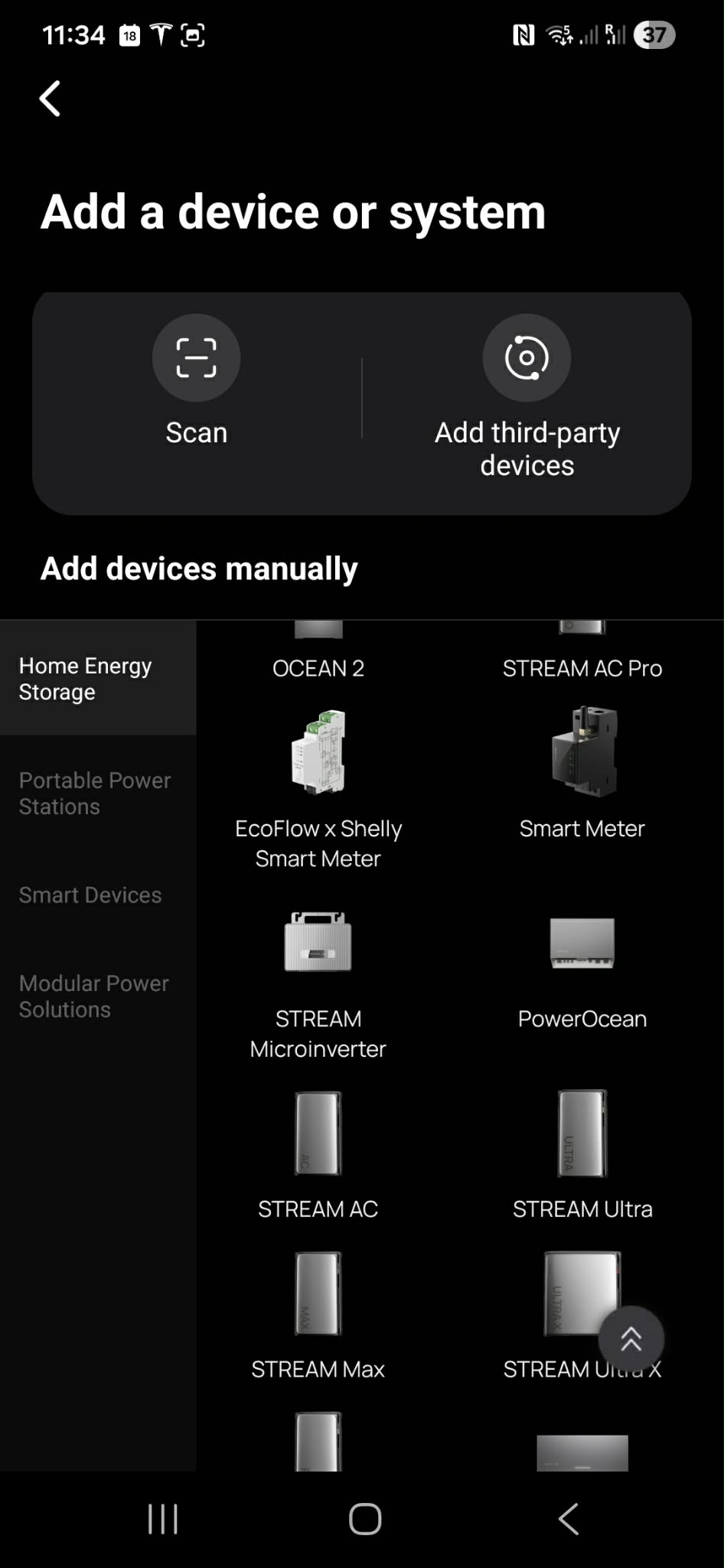
It looks and feels like the control system for EcoFlow's entire energy ecosystem.
And as you move further up that chain, I can see the app becoming massively more important.
Things like smart charging schedules, energy management and charge/discharge rules are exactly the sort of thing we've dealt with on a much larger scale with the Victron setup on our boat.
I love that stuff.
It's the sort of thing I'd enjoy going ridiculously deep into one day with a proper off-grid eco home.
For probably 90% of people buying the standard RIVER 3, I don't actually think you need to download the app.
That's not a criticism of the app.
Quite the opposite.
The station itself is just so simple that you can completely ignore it.
If your plan is:
Put station in tent → plug phone in → recharge station when empty.
Then just do that.
You don't need to know what X-Boost is.
You don't need charging schedules.
You don't need Wi-Fi monitoring.
If you want to change the charging speed, set battery limits or have a play with the smarter features, then absolutely download it.
Otherwise?
The RIVER 3 works perfectly well without adding another app to your life.
EcoFlow also advertises sub-20ms UPS switchover on the standard RIVER 3. I didn't specifically test that switch-over time, so I'm not going to pretend I did.
If backup power for sensitive desktop equipment is your main reason for buying one, I'd test that use case specifically rather than relying purely on a headline specification.
This is probably the most important alternative to consider.
Because the standard RIVER 3 is deliberately small.
If you're looking at 245Wh and 300W thinking:
“I love it... but that might be a little too small.”
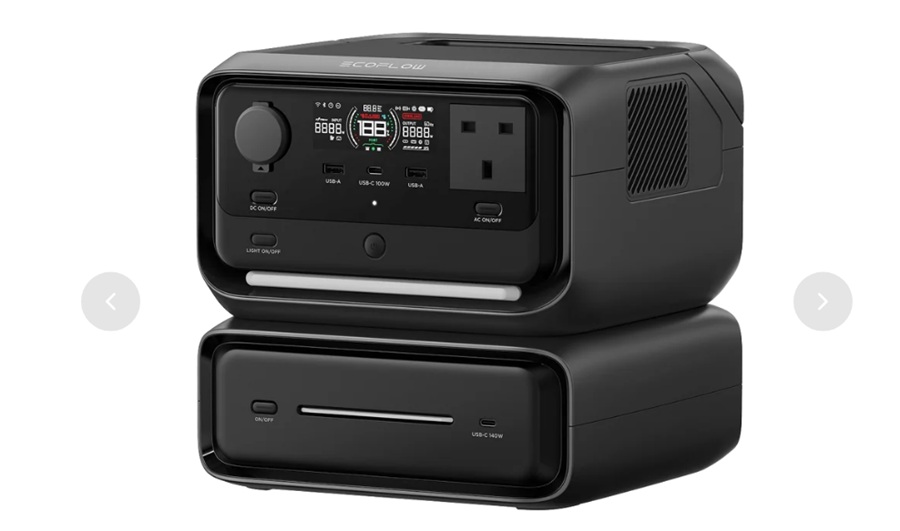
Then look at the EcoFlow RIVER 3 Plus.
The really important difference isn't actually the additional 41Wh in the base battery.
It's the 600W inverter and expandability.
The Plus can use EcoFlow's additional batteries to grow to as much as 858Wh.
So if you love the RIVER 3 design/ecosystem but think your energy needs might increase later, I'd seriously consider starting with the Plus.
And if even 858Wh sounds small?
Stop looking at the RIVER range.
EcoFlow's DELTA 3 range is much more appropriate once you're getting into proper campervan conversion/off-grid electrical requirements.
After a few weeks testing it, these are the things that stand out most:
1. The size and weight
It genuinely feels portable.
Not “portable because technically one human can lift it”.
Actually portable.
2. The design
I genuinely love how this thing looks and feels.
It's nicely balanced, clean, compact and clearly thoughtfully designed.
3. It's incredibly simple
You can completely ignore all the advanced technology inside it and just use the thing.
That's exactly how it should be.
4. Fast charging
Being able to throw more than 300W into such a small battery means you're not waiting around for hours.
5. The EcoFlow app
You don't need it.
But if you do want advanced controls, it's one of the more impressive power-station apps I've used.
6. The little design details
The reversed UK socket is such a small feature.
But it tells me somebody actually thought about how people would use this in the real world.
Honestly, I'm struggling.
My main complaint is:
There's no built-in light.
I've tested so many power stations now that I basically assumed a light was standard.
When you're camping, having a quick built-in torch or area light is genuinely handy.
Sure, you can bring a light and power it from the RIVER 3.
But I still think integrating one somewhere would have been useful.
If I'm getting really picky, a wireless charging pad across the top could also have been cool.
I've seen that on other units.
But would I want EcoFlow to make the RIVER 3 larger and more expensive just to add wireless charging?
Absolutely not.
Part of what makes this station good is that EcoFlow hasn't stuffed it full of unnecessary features.
I think the ideal RIVER 3 customer is someone who uses very little electricity but still wants reliable access to power away from home.
That includes:
If you're going camping for a few nights and you're currently paying extra for electrical hookup purely to charge your phone?
This thing makes ridiculous sense.
At the £159 sale price I saw while testing, avoiding roughly 16 nights of £10 hookup fees would effectively cover the purchase price, ignoring the small cost of charging the station itself at home.
Then you've still got the power station for years afterwards.
This is equally important.
Don't buy the RIVER 3 if you're trying to power:
For that, move up the range.
Those products exist for completely different power requirements.
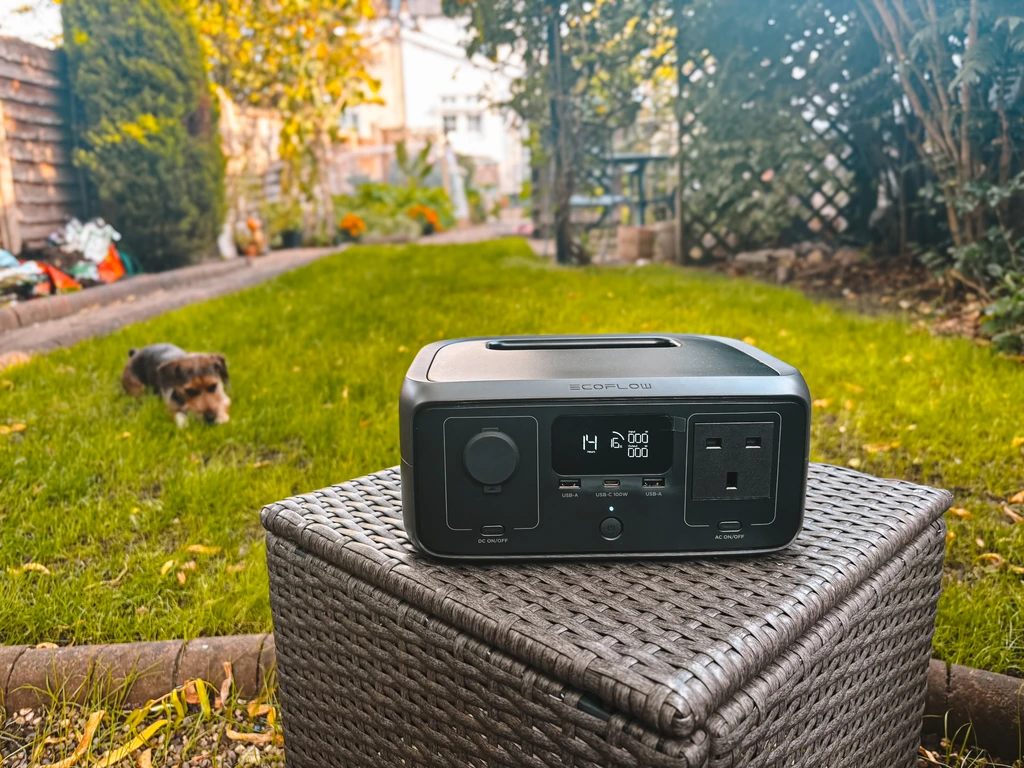
I really like the EcoFlow RIVER 3.
It's not powerful enough for everyone.
But that's completely missing the point.
For somebody going camping for a few nights, charging phones, cameras, laptops and other small electronics, it's exactly the sort of power station I'd want.
And most importantly ... you don't need to know anything about batteries, inverters or electrical systems to use it.
Plug it in.
Charge it.
Take it camping.
Done.
If you know that 245Wh and a 300W inverter are enough for your needs, I genuinely don't have much to criticise beyond the missing light.
9/10 from me.
No normal household kettle is going to be a sensible match for the RIVER 3's 300W AC inverter.
I tested ours and the overload protection immediately tripped, exactly as it should.
EcoFlow advertises a 0–100% AC charge time of around one hour.
During my test, I plugged it in at 16%, saw roughly 313–315W input, and after 10 minutes it had reached 25% with an estimated 41 minutes remaining.
Yes, provided the panel falls within EcoFlow's supported voltage/current limits and you have the correct connector.
I successfully tested it using a third-party 200W panel.
The RIVER 3 accepts up to 110W solar input.
No.
If battery expansion is important to you, look at the RIVER 3 Plus instead, which can be expanded to as much as 858Wh.
For phones, laptops, cameras and other smaller electronics over a few nights, it can be a really useful amount of capacity.
If you're running fridges, electric cooking or large appliances, I'd look at something significantly bigger.
No.
The RIVER 3 works perfectly well without the app.
The app becomes useful if you want to adjust charging speed, set charge/discharge limits, schedule tasks, manage X-Boost or monitor the station remotely.
Hopefully you've found this review useful!
If you've got any questions about the RIVER 3 or anything I tested above, just drop a comment below and I'll help where I can.
And if there's another EcoFlow or power station model you think I should test next, let me know that too.
I'm always happy to add another one to the increasingly ridiculous pile...



Leave a comment
Let us know what you think!